
 Image 1 of 4
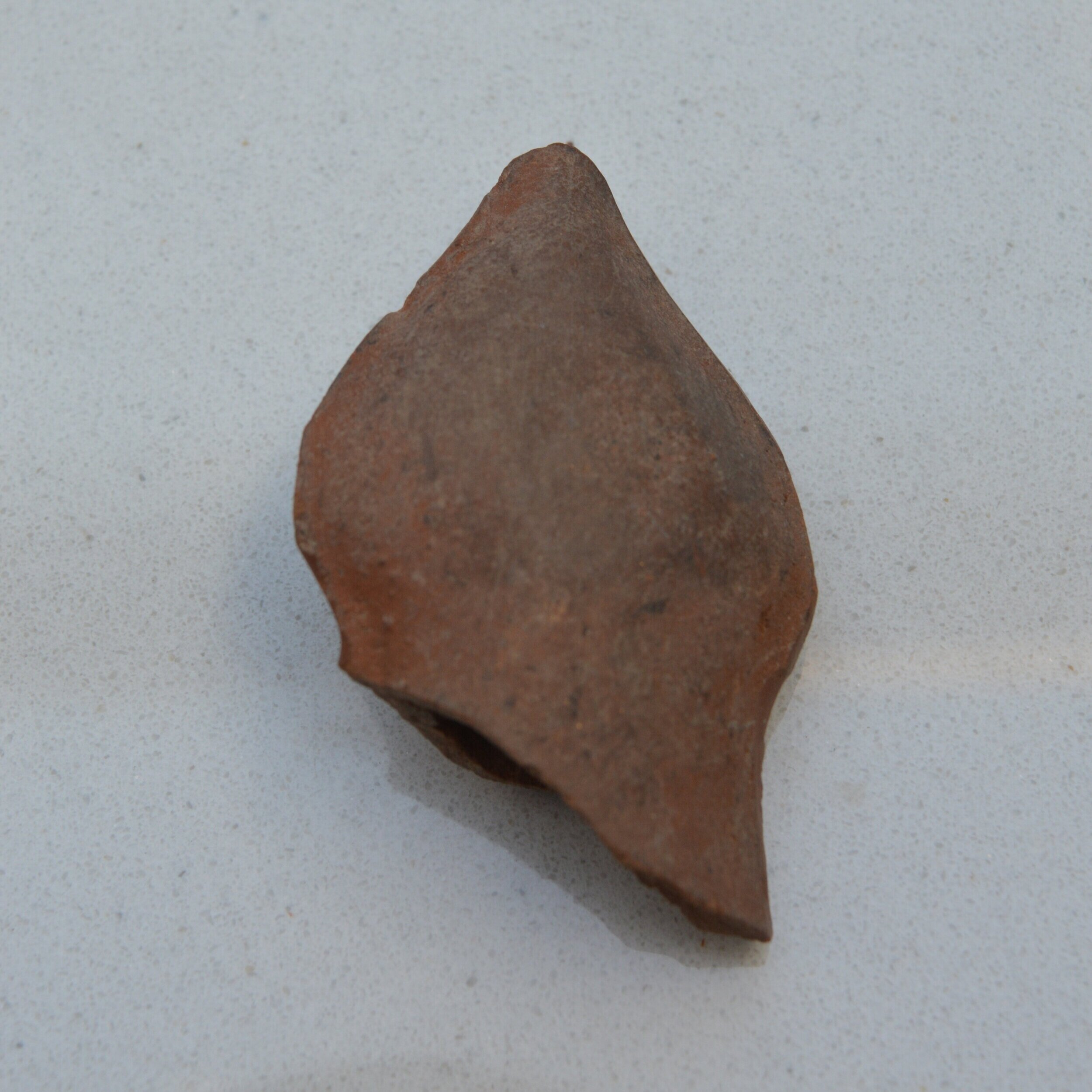 Image 2 of 4
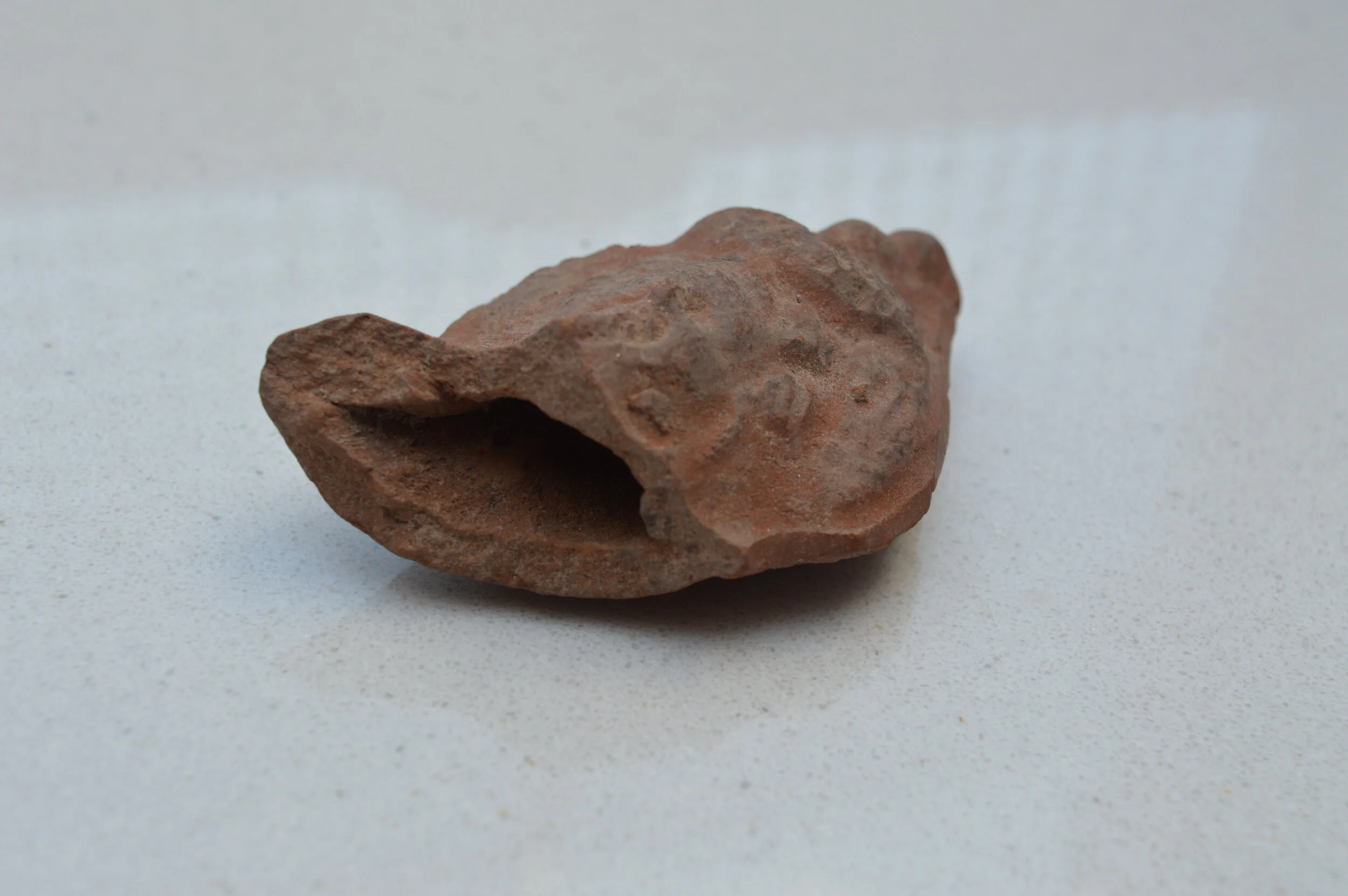 Image 3 of 4
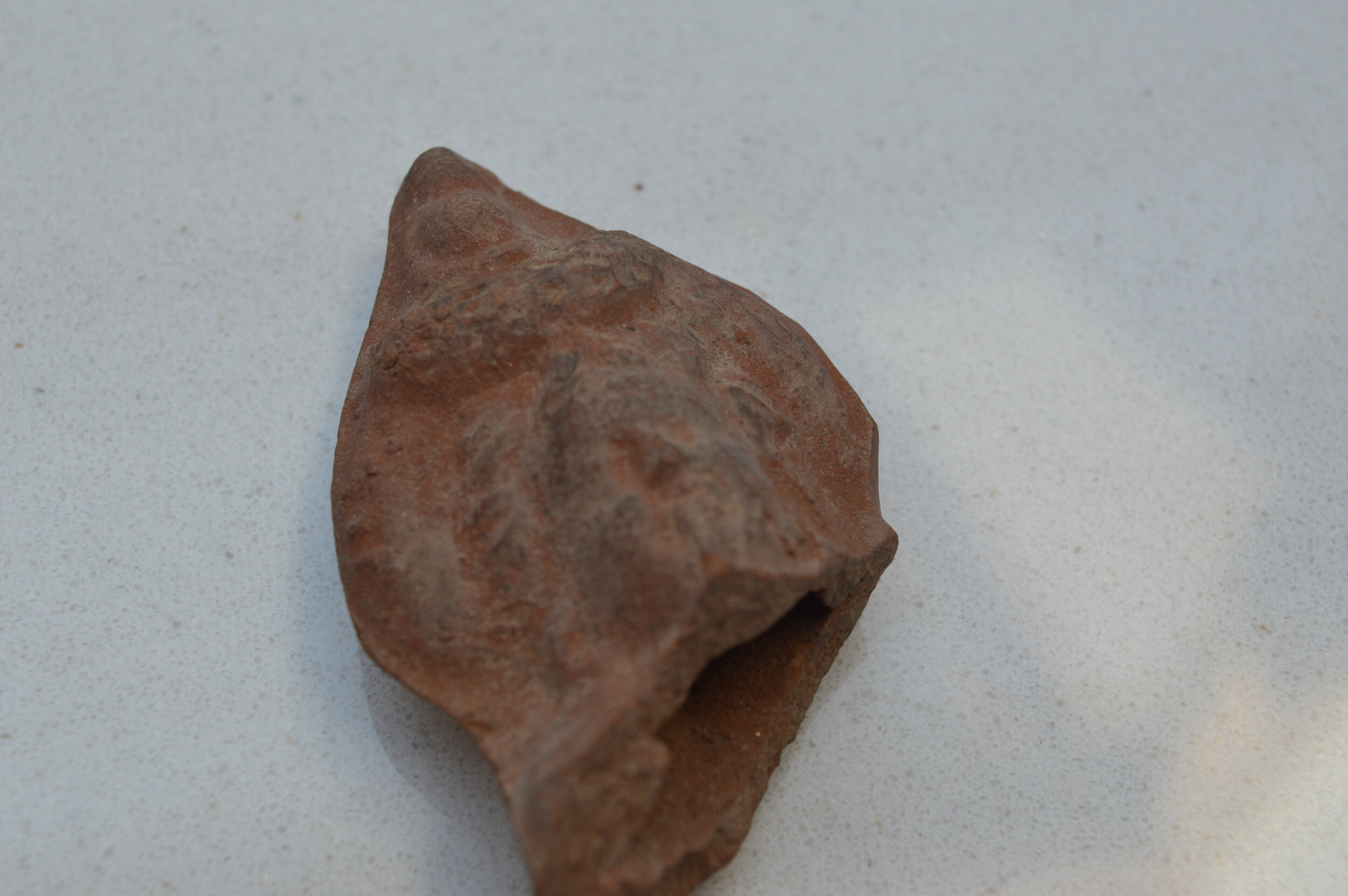 Image 4 of 4
Serapis was a Graeco-Egyptian god who was devised on the orders of Ptolemy I in the 3rd century BC as a means to unite the two ethnic groups across Egypt. Although of Greek appearance, Serapis bore Egyptian trappings, and signified both abundance and resurrection.
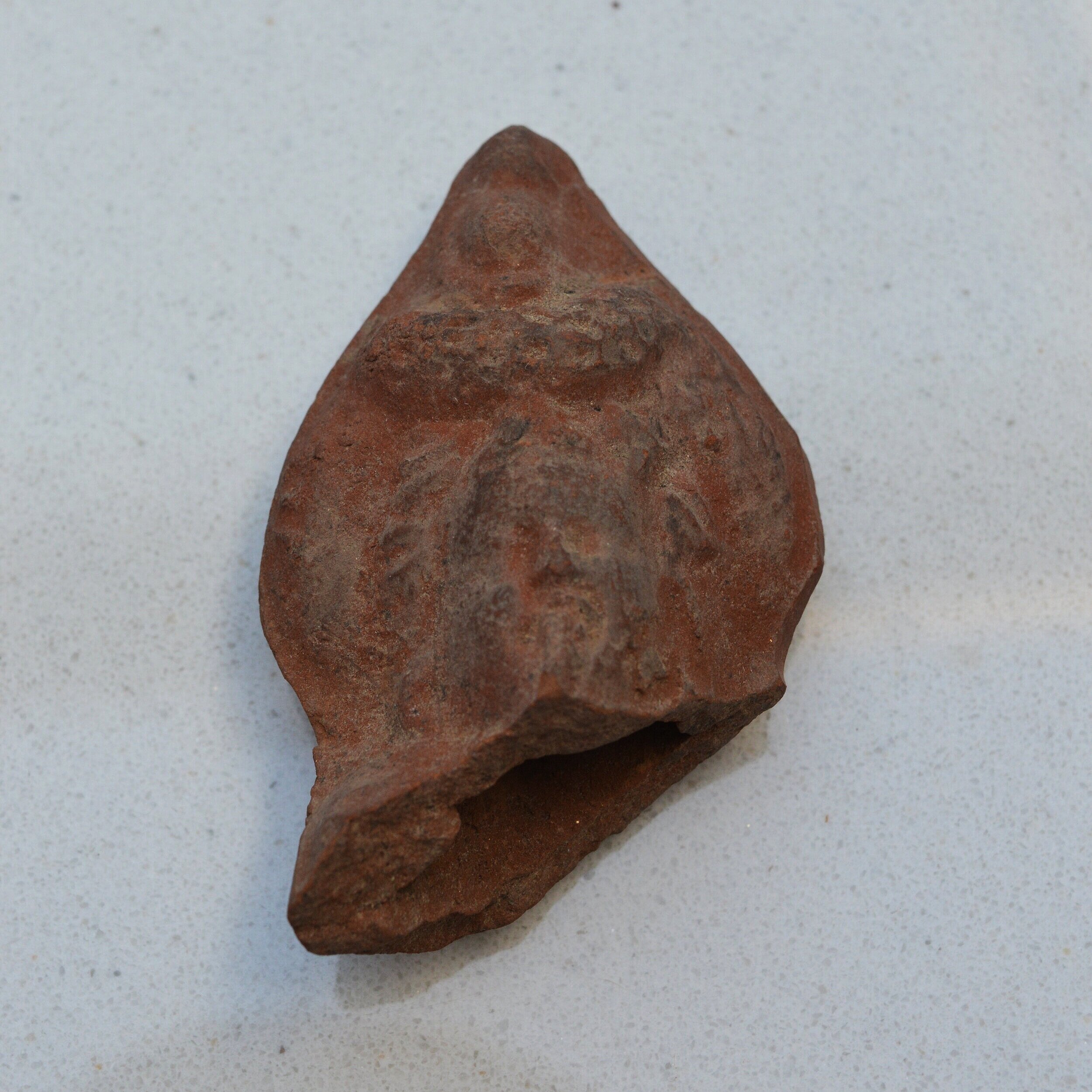
Here rendered in terracotta, and likely dating from the 1st century BC, this now fragmentary statuette would have been part of a home altar. Of characterful style, this 6.5cm x 4cm piece would mount well and easily for display.
Provenance: Ex. Helios Galleries, ex. Bonhams (Bath, 2012), here stated “from a Swiss collection assembled from Munz und Medaillen in the 1970s.”
Serapis was a Graeco-Egyptian god who was devised on the orders of Ptolemy I in the 3rd century BC as a means to unite the two ethnic groups across Egypt. Although of Greek appearance, Serapis bore Egyptian trappings, and signified both abundance and resurrection.
Here rendered in terracotta, and likely dating from the 1st century BC, this now fragmentary statuette would have been part of a home altar. Of characterful style, this 6.5cm x 4cm piece would mount well and easily for display.
Provenance: Ex. Helios Galleries, ex. Bonhams (Bath, 2012), here stated “from a Swiss collection assembled from Munz und Medaillen in the 1970s.”